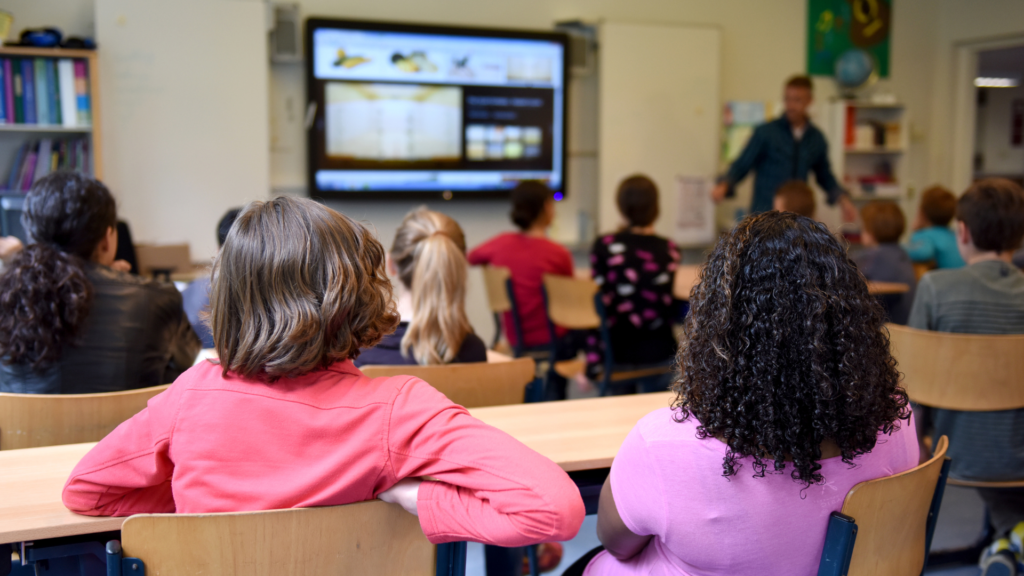
Effective Classroom Management Strategies for Maximizing Student Engagement and Learning
Effective classroom management is essential for creating an environment where students can focus and learn. It involves setting clear expectations, maintaining consistent routines, and fostering mutual respect between teachers and students. These strategies help reduce disruptions and increase engagement.
Managing a classroom effectively requires both preparation and adaptability. When teachers apply proven techniques, they build a positive atmosphere that supports academic success. This blog will explore practical approaches to help educators maintain order and encourage productive learning every day.
The Foundations of Effective Classroom Management
Effective classroom management starts with clear communication and trust. Setting defined boundaries, fostering respectful interactions, and maintaining predictable routines lay the groundwork for a productive learning environment.
Establishing Clear Expectations
Clear expectations ensure students understand acceptable behaviors and academic standards. Begin the school year by explicitly stating rules and consequences, discussing them openly to secure student buy-in.
Visual aids like posters summarizing expectations help keep rules visible. Use positive language to describe behaviors instead of focusing solely on prohibitions.
Consistently reinforcing expectations through reminders and acknowledgments minimizes confusion and off-task behavior. It also promotes responsibility as students know what is expected and the results of their actions.
Building Positive Teacher-Student Relationships
Strong teacher-student relationships are crucial for managing behavior and motivating learners. Showing genuine interest in students’ lives and academic progress fosters mutual respect.
Use regular, positive interactions such as praise for effort and active listening to student concerns. Building rapport encourages students to feel safe and supported in the classroom, reducing disruptive incidents.
Personalizing communication and demonstrating empathy help address individual needs. This relational trust improves cooperation and engagement, making classroom management more effective.
Consistency in Classroom Routines
Consistent routines create a stable environment where students know what to expect. Regular schedules for activities like entering the room, transitions, and ending class reduce anxiety and wasted time.
Clearly communicated procedures that are followed every day build student independence. When routines are consistent, interruptions and misunderstandings decrease.
Teachers should model routines and correct deviations promptly but calmly. Maintaining consistency also means applying rules and consequences fairly across all students, reinforcing structure throughout the classroom.
Creating a Positive Learning Environment
A classroom atmosphere that supports active participation, mutual respect, and inclusion improves behavior and academic success. Establishing these elements sets a stable foundation for learning.
Encouraging Student Engagement
Student engagement grows when lessons connect to their interests and experiences. Use interactive activities like group work, debates, and hands-on projects to maintain attention and foster deeper understanding. Questions that require critical thinking rather than yes/no responses also boost involvement.
Clear expectations and routine also help students feel secure and ready to participate. Incorporate varied teaching methods to meet diverse learning styles. Time management during activities ensures all students have a chance to contribute, preventing disengagement.
Fostering Mutual Respect
Respect is built by modeling polite behavior and enforcing consistent rules fairly. Make sure classroom expectations emphasize listening when others speak and valuing different viewpoints. Address disrespect immediately to prevent escalation.
Encourage students to use respectful language and tone. Praise polite and cooperative behavior regularly. Teaching conflict resolution skills empowers students to handle disagreements constructively.
Promoting a Culture of Inclusion
Inclusion means every student feels welcomed and valued regardless of background or ability. This starts by acknowledging differences and highlighting each student’s strengths. Use varied materials and examples that reflect diverse cultures and experiences.
Adapt lessons and assessments to accommodate different needs without singling out students. Create opportunities for collaboration across groups. Monitor classroom dynamics to ensure no one is marginalized or excluded.
Proactive Strategies for Preventing Disruptions
Effective prevention relies on recognizing early signs of potential disruptions, establishing clear routines, and designing the classroom environment to support focused behavior. Each element plays a critical role in minimizing interruptions before they escalate.
Early Intervention Techniques
Early intervention involves identifying and addressing minor behavioral issues quickly. Teachers should observe student cues such as restlessness, off-task behavior, or subtle conflicts. Addressing these signs with gentle reminders or proximity control can redirect students without calling unnecessary attention.
Consistent communication is key. Use brief, specific feedback to encourage positive behavior immediately after it starts to decline. This approach prevents minor issues from growing into disruptive incidents.
Another method is to build rapport with students to understand their triggers. When a teacher knows what causes frustration or distraction, they can intervene with tailored strategies. Early intervention also includes teaching self-regulation skills like deep breathing or focused breaks.
Implementing Preventive Classroom Procedures
Clear, predictable routines reduce confusion and discourage disruptions. Establish daily schedules, transition signals, and expected behaviors specifically for each classroom activity. Visual schedules and posted rules reinforce procedures visibly.
Use positive reinforcement to encourage adherence. A simple reward system, such as earning points or privileges for following procedures, supports consistent compliance. Explicitly teach procedures during the first weeks, repeating and adjusting as needed.
Procedures should cover common areas of disruption: entering/exiting the room, group work, and technology use. Planning transitions carefully reduces downtime, which often leads to disruptive behavior.
Structuring Physical Space Effectively
The physical setup affects student engagement and behavior. Arrange desks to allow clear sightlines between the teacher and all students. Avoid overcrowding or obstructed views that hinder supervision.
Designate specific areas for different activities (reading corner, group work table, quiet spaces) to signal clear expectations. Access to materials should be organized to minimize distractions during lessons.
Consider movement flow to limit bottlenecks in high-traffic spots. Position frequently used resources within easy reach but off to the side to keep the focus on instruction areas.
Table: Key Considerations for Physical Space
| Factor | Impact on Behavior | Recommendation |
| Desk Arrangement | Visibility & interaction | U-shape or rows with aisle space |
| Activity Zones | Clear purpose, role separation | Defined corners or tables |
| Movement Flow | Minimizes interruptions | Clear pathways and open areas |
| Material Placement | Reduces distractions | Organized, accessible storage |
Instructional Approaches to Support Management
Effective classroom management benefits from targeted instructional strategies that engage students and address diverse learning needs. Tailoring lesson plans and activities builds a positive learning environment and minimizes disruptions.
Differentiated Instruction
Differentiated instruction adjusts teaching methods and materials to match individual student abilities and learning styles. This approach prevents students from becoming bored or overwhelmed, reducing behavioral issues.
To implement it, teachers can use varied content, processes, and products. For example, providing reading materials at different complexity levels or offering multiple ways to demonstrate understanding helps all students succeed.
Clear learning objectives combined with frequent formative assessments guide differentiation. This ensures timely support for struggling students while challenging advanced learners. Management improves as students feel more included and engaged.
Interactive Lesson Planning
Interactive lesson planning involves designing activities that require active student participation. Such lessons sustain attention and encourage positive behavior by keeping students mentally involved.
Examples include questioning techniques, hands-on experiments, and technology integration. Tools like clickers or digital polls provide immediate feedback and maintain focus.
Incorporating movement or short brain breaks within lessons also supports management by preventing restlessness. Teachers creating dynamic lessons often see fewer distractions because students are occupied with purposeful tasks.
Incorporating Collaborative Activities
Group work fosters social skills and shared responsibility, which contributes to smoother classroom management. Collaborative activities can be structured to promote cooperation and minimize conflict.
Strategies include assigning clear roles, setting group goals, and teaching teamwork skills explicitly. Activities like peer review or problem-solving tasks encourage communication and accountability.
Monitoring group interactions and providing timely support further prevents off-task behavior. When well-managed, collaborative learning builds a respectful classroom culture and reduces teacher interruptions.
Motivation and Positive Reinforcement Methods
Effective motivation and reinforcement are key to encouraging desired behaviors in the classroom. Structured approaches enable consistent engagement, while clear communication supports student growth.
Using Reward Systems
Reward systems create tangible incentives that encourage positive behavior. Examples include point charts, token economies, or classroom privileges tied to specific achievements. Consistency in applying these rewards is crucial to maintain their effectiveness.
Rewards should be meaningful and varied to maintain student interest. For instance, allowing extra recess time or selecting a class activity can be more motivating than generic praise alone. Clear criteria for earning rewards help students understand expectations.
Tracking systems like sticker charts provide visual progress, reinforcing good behavior over time. However, rewards should be balanced to avoid dependence on external motivators.
Providing Constructive Feedback
Constructive feedback guides students by highlighting strengths and areas for improvement. It must be specific, actionable, and timely to have the best impact. Avoid vague praise or criticism, as they can confuse or discourage students.
Use clear language focused on behaviors, not personal traits. For example, say “Your essay has a strong argument, but the conclusion could be clearer,” rather than “You’re a good writer.” This approach encourages growth.
Feedback delivered privately can reduce embarrassment, while public recognition can motivate peers. Consistently pairing feedback with encouragement fosters a positive learning environment.
Managing Challenging Behaviors
Effective management includes clear communication, calm responses, and methods that promote student accountability. Techniques focus on reducing disruption while maintaining positive classroom dynamics.
Addressing Misbehavior Professionally
Respond calmly and consistently to misbehavior. Use neutral, respectful language to avoid escalating tensions. Clearly state the expected behavior and consequences without personal judgment.
Document incidents to track patterns and inform interventions. Immediate, private correction is preferable to public reprimands. Reinforce positive behavior to balance discipline efforts.
Maintain boundaries but stay approachable. This encourages students to self-regulate and seek guidance before issues worsen.
De-escalation Techniques
Recognize early signs of agitation, like raised voices or body language changes. Use a quiet tone and slow speech to calm the situation.
Give the student space and avoid confrontational body language. Techniques such as deep breathing or brief breaks can help reduce emotional intensity.
Offer choices to restore control, e.g., “Would you like to sit or take a moment outside?” Avoid arguing or demanding compliance, which can increase resistance.
Restorative Practices
Focus on repairing harm rather than punishing. Facilitate structured conversations involving affected parties to express feelings and understand impacts.
Encourage students to take responsibility and agree on steps to make amends. This builds empathy and accountability.
Use circles or mediation to foster dialogue. These practices help rebuild trust and improve classroom relationships over time.
Effective Communication with Stakeholders
Clear communication with everyone involved in a student’s education is essential. This involves sharing relevant information, setting expectations, and building trust through consistency and transparency.
Engaging with Parents and Guardians
Regular, honest communication with parents and guardians supports student success. Use multiple channels like emails, phone calls, and digital platforms to keep families informed about academic progress, behavior, and upcoming events.
Be specific when discussing areas of concern or achievement. Avoid jargon and focus on actionable next steps. Inviting parents to participate in meetings and school activities fosters stronger relationships and shared responsibility for the student’s development.
Consistent updates prevent misunderstandings and create a collaborative environment. Establish a routine for communication, such as weekly newsletters or monthly check-ins, to maintain an ongoing dialogue.
Collaborating with Support Staff
Working closely with counselors, aides, and special education professionals ensures a cohesive approach to classroom management. Share student information promptly and clearly to align on strategies and interventions.
Create a system to document and exchange notes on student progress and behavioral challenges. Regular meetings or check-ins help identify issues early and tailor support effectively.
Respect each team member’s expertise and ask for input on how to adjust classroom methods. This collaboration leads to more comprehensive solutions and improves the overall learning environment.
Continuous Improvement and Teacher Reflection
Ongoing evaluation and skill development are essential for refining classroom management. Effective strategies rely on consistent monitoring and targeted professional growth.
Monitoring Classroom Management Outcomes
Regularly assessing how management practices affect student behavior and learning allows teachers to adjust methods promptly. Data can be gathered through observation, student feedback, and disciplinary records.
Keeping track of specific metrics, such as frequency of disruptions or time on task, helps identify patterns. Using tools like behavior charts or digital apps can streamline this process.
Teachers should set clear goals and review progress frequently. Reflecting on failures and successes sharpens management techniques. This iterative process promotes adaptability to different classroom dynamics.
Professional Development for Educators
Engaging in professional development ensures teachers stay current with evidence-based management strategies. Workshops and training sessions provide practical tools tailored to classroom challenges.
Collaboration with peers through mentoring or learning communities fosters the exchange of ideas and support. Educators can benefit from focused sessions on topics like conflict resolution or positive reinforcement.
Ongoing education encourages self-reflection and introduces innovative approaches. It equips teachers to handle diverse student needs and maintain a positive learning environment.