Benefits of Early Childhood Education for Lifelong Cognitive and Social Development
Early childhood education plays a critical role in a child’s development by laying the foundation for lifelong learning and success. It supports cognitive, social, and emotional growth during a period when the brain is most receptive to new information and experiences.
Children who participate in quality early education programs tend to perform better academically, develop stronger social skills, and exhibit greater emotional resilience. These benefits extend beyond the classroom, influencing future opportunities and well-being.
Understanding how early childhood education impacts development can help parents and educators make informed choices. This knowledge underscores why investing in these programs is essential for fostering well-rounded individuals.
What Is Early Childhood Education?
Early childhood education focuses on structured learning experiences for children from birth to age eight. It aims to develop foundational skills in cognitive, social, emotional, and physical areas through age-appropriate methods. Understanding its core principles, program types, and educator roles clarifies its significance.
Key Concepts in Early Childhood Education
Early childhood education emphasizes developmentally appropriate practice (DAP), which tailors activities to children’s ages and stages. It supports holistic growth by integrating play, exploration, and guided instruction. Social-emotional learning helps children build relationships, regulate emotions, and develop confidence.
Curriculum frameworks often include language development, early math skills, motor coordination, and problem-solving. Assessment in early education focuses on observing behaviors and skills rather than formal testing.
Types of Early Childhood Education Programs
Programs vary by setting, duration, and instructional style. Common types include:
- Preschools: Part-time or full-time programs focused on school readiness.
- Head Start: Federally funded, offering comprehensive services to low-income families.
- Family Child Care: Home-based care combining caregiving and education.
- Montessori and Reggio Emilia: Approaches emphasizing child-led learning and creativity.
Some programs offer specialized support for children with disabilities or language differences. The choice depends on family needs, educational goals, and available resources.
Role of Early Childhood Educators
Educators are facilitators, guides, and observers. They create safe, stimulating environments where children can explore and learn. Their responsibilities include planning curriculum, assessing development, and supporting individualized learning paths.
Strong communication skills are essential for engaging with children and collaborating with families. Educators must also be knowledgeable about child development theories, cultural sensitivity, and child welfare practices. Their work lays the foundation for lifelong learning and social skills.
Cognitive Advantages of Early Childhood Education
Early childhood education provides a structured setting where young children engage in activities designed to develop essential cognitive skills. These skills include reasoning, communication, and the early comprehension of numerical and scientific concepts.
Improvement of Critical Thinking Skills
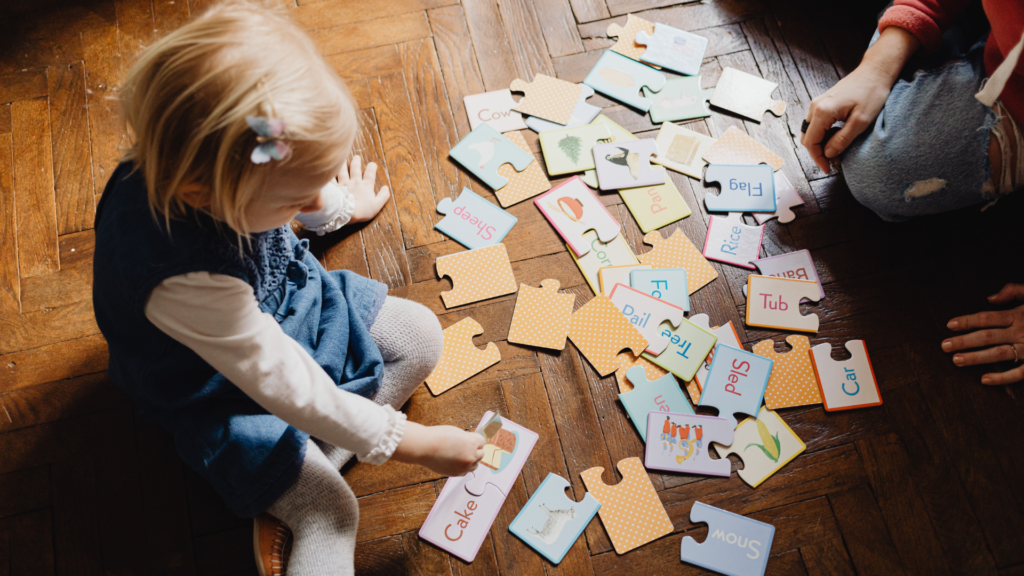
Early learning environments encourage children to explore, ask questions, and solve problems. Activities such as puzzles, sorting games, and story discussions promote logical thinking and decision-making.
Children learn to analyze situations, consider multiple solutions, and understand cause-and-effect relationships. These skills form the foundation for advanced problem-solving abilities later in life.
Structured play also helps develop attention span and memory. These cognitive processes are crucial for academic success and everyday reasoning.
Language and Literacy Development
Exposure to rich language experiences in early education supports vocabulary growth and communication skills. Reading aloud, storytelling, and singing introduce children to new words and sentence structures.
Children develop phonemic awareness, which is the ability to recognize sounds in words. This skill is essential for learning to read and write.
Early literacy activities also improve listening skills and the capacity to follow directions. These abilities boost confidence in verbal interactions and lay the groundwork for academic reading.
Early Math and Science Foundations
Young children engage with basic math concepts such as counting, sorting, and pattern recognition through hands-on activities. These experiences help them develop numeracy skills before formal schooling begins.
Science exploration in early education fosters curiosity about the natural world. Activities like observing plants or simple experiments encourage observation and hypothesis testing.
Understanding foundational math and science concepts at an early age supports logical reasoning and inquiry skills. These are critical for future learning in STEM fields.
Social and Emotional Benefits
Early childhood education helps children form meaningful relationships, manage their emotions, and develop a positive self-image. These skills support healthy interactions and coping strategies that are essential for later success.
Development of Social Skills
Children in early education settings learn to interact with peers and adults through structured and unstructured activities. Sharing, taking turns, and cooperating are regularly practiced, which enhances communication and conflict resolution abilities.
Group activities encourage understanding of social norms and respect for others’ perspectives. These experiences build a foundation for teamwork and empathy. Teachers often model appropriate social behavior, guiding children to develop positive habits that transfer beyond the classroom.
Emotional Regulation and Resilience
Early childhood programs provide safe environments where children can express and manage feelings. Through routines and supportive interactions, children learn to identify emotions like frustration or excitement and develop strategies to cope.
Activities such as role-playing or storytelling help children understand emotional responses and build resilience. Consistent routines and responsive adults contribute to a sense of security, which supports emotional well-being and adaptability to new situations.
Building Self-Esteem
Positive feedback from teachers and peers fosters confidence in young learners. Early accomplishments, whether academic or social, reinforce a child’s sense of capability and worth.
Opportunities to make choices and solve problems encourage independence. This autonomy nurtures self-respect and motivation. Recognition of effort, not just success, helps children understand the value of persistence and growth.
Long-Term Academic Outcomes
Early childhood education influences critical skills and habits that affect students throughout their academic journey. These include preparedness for formal schooling, the ability to complete educational milestones, and sustained performance across grade levels.
School Readiness
Children who participate in early childhood education programs develop foundational skills in literacy, numeracy, and social interaction. These skills directly support entering kindergarten with a better grasp of classroom expectations and learning routines.
Research shows that children from such programs are more likely to perform at or above grade level in reading and math when they start school. Early exposure to structured learning formats also helps children adapt socially, reducing instances of disruptive behavior and increasing engagement.
This early preparation often leads parents to seek out educational environments that maintain these high standards throughout the primary grades. Finding the right school is a common priority for families who want to build on this early progress. Many parents begin their search by looking for the best private elementary schools near me to find institutions with strong academic and moral foundations. These schools often combine structured learning with personal development to help children grow. This continuous support helps students remain confident as they face harder academic challenges in later years.
Building perseverance and basic cognitive skills early creates a smoother transition into the school environment, fostering confidence and a positive attitude toward learning.
Higher Graduation Rates
Participation in quality early childhood education correlates with higher high school graduation rates. Students with early educational support tend to stay on track academically and socially, reducing dropout risks.
Statistics indicate that graduates of early education programs have about a 10-15% greater likelihood of completing high school. The development of critical thinking and organizational skills at an early age helps maintain motivation and academic performance over time.
These programs contribute to closing achievement gaps that often lead to school disengagement and failure in later years.
Continued Academic Success
Long-term academic success ties closely to the skills established before kindergarten. Students with early learning experiences often show stronger performance in standardized assessments throughout elementary and secondary school.
Continuous support of language, memory, and problem-solving skills reduces the need for remedial instruction and supports advanced learning opportunities. Students who start with solid academic skills often have better access to advanced coursework and extracurricular enrichment.
Key factors supporting ongoing success include:
- Improved executive function (planning and self-control)
- Higher literacy and numeracy levels in early grades
- Positive attitudes toward schooling and learning challenges
Impact on Physical Growth and Health
Early childhood education plays a crucial role in shaping children’s physical well-being. It provides structured opportunities that contribute to healthy routines and physical skill development, which support growth and long-term health.
Promoting Healthy Habits
Early childhood programs introduce consistent schedules for meals, rest, and physical activity. Children learn about nutrition and hygiene through daily routines and direct teaching. For example, teachers often guide handwashing practices and encourage balanced snack choices, which reduce illness and support immune function.
These settings also emphasize regular outdoor play, contributing to vitamin D intake and better sleep patterns. Habits formed early, such as brushing teeth and washing hands after activities, tend to continue at home, increasing overall health outcomes. Reinforcement from caregivers and teachers enhances these positive behaviors.
Motor Skills Development
Physical activities in early education help develop both fine and gross motor skills. Tasks like drawing, cutting, and manipulating small objects strengthen fine motor control essential for writing and coordination.
Gross motor development occurs through activities such as running, jumping, and climbing, which improve balance, strength, and endurance. Structured play sessions and age-appropriate equipment foster these skills in a safe environment. Developing motor proficiency at this stage supports confidence and reduces injury risk later in childhood.
Support for Families and Communities
Early childhood education programs provide platforms that actively involve families and create connections within local communities. These efforts improve engagement and build a support network around young children.
Parental Engagement Opportunities
Programs often offer workshops, volunteer roles, and communication tools designed to include parents in their child’s learning. These opportunities help parents develop skills to support development at home.
Regular parent-teacher meetings and home visit initiatives facilitate ongoing dialogue about children’s progress. This two-way communication empowers parents with information to reinforce educational goals outside the classroom.
Technology platforms, such as apps or online portals, further enhance parent involvement by sharing updates and resources in real time. Accessible communication increases parental confidence and participation.
Strengthening Community Bonds
Early education centers frequently collaborate with local organizations to provide families access to health, nutrition, and social services. This integrated approach addresses broader needs beyond academics.
Community events, like family nights or cultural celebrations, foster social connections among families with diverse backgrounds. These gatherings build trust and encourage mutual support.
By engaging local leaders and volunteers, programs help create a network focused on child welfare. These partnerships contribute to safer, more resourceful neighborhoods, benefiting children and parents alike.
Economic and Societal Benefits
Early childhood education contributes to improved economic productivity and lower costs related to social support systems. These advantages appear through better workforce readiness and decreased reliance on social services.
Workforce Preparation
Children who attend quality early education programs develop essential skills such as communication, problem-solving, and teamwork. These skills lead to higher high school graduation rates and greater post-secondary education enrollment.
Studies show that these early gains increase employability and earning potential over time. Employers benefit from a more skilled and adaptable workforce, which can improve economic growth.
Investing in early childhood education also reduces skills gaps in industries needing technical and social competencies. This supports smoother transitions into the workforce and bolsters long-term career success.
Reduction in Social Costs
Access to early education lowers rates of juvenile crime, special education placements, and welfare dependency. These reductions cut government spending on rehabilitation, special services, and social assistance.
According to research, every dollar spent on early education saves approximately $7 in future social costs. Reduced crime rates boost community safety and stability, which benefits all citizens.
Early intervention helps identify and address developmental delays sooner, minimizing costly interventions later. This proactive approach lessens the need for remedial programs in schools and healthcare systems.
Conclusion
Early childhood education provides a strong foundation for lifelong learning. It supports cognitive, social, and emotional growth during critical developmental periods.
Children who participate in quality programs tend to have better school readiness and improved academic outcomes. These benefits can extend into adulthood through higher employment rates and increased earnings.
Key advantages include:
- Enhanced language and communication skills
- Improved social interactions
- Development of critical thinking
Investments in early education also benefit society by reducing future costs related to remediation and social services. Structured learning environments promote equal opportunities regardless of background.
The value of early childhood education lies in its ability to nurture potential from a young age. Access to such programs is pivotal for fostering well-rounded individuals prepared to meet future challenges.